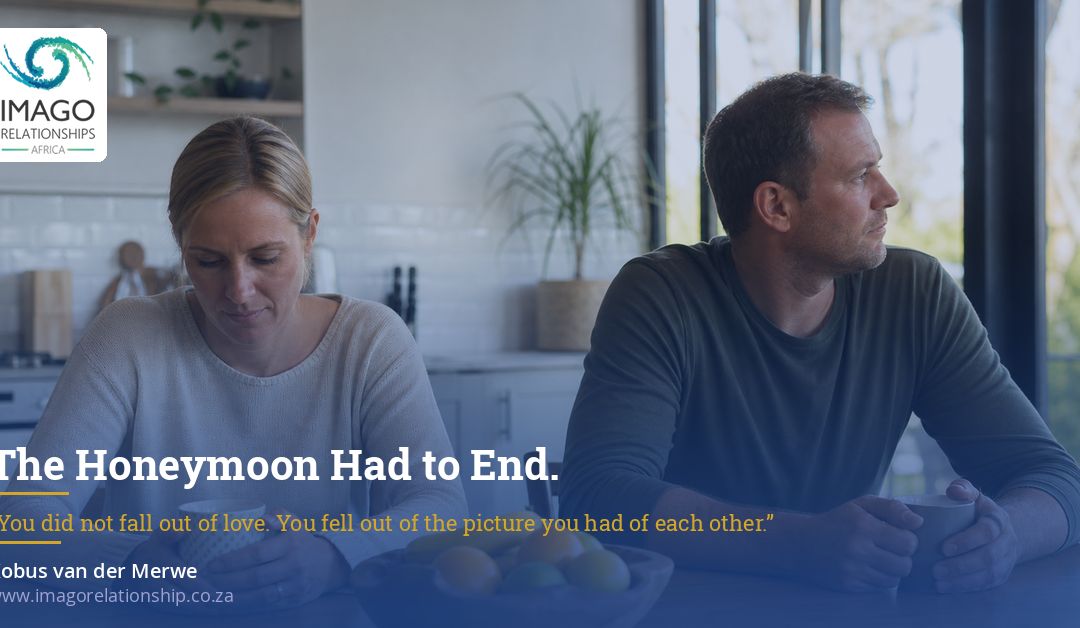
Relationships end. Lawyers get hired. Papers get signed. The house gets divided, the furniture gets split, and eventually, life resumes some version of normal.
But here’s what nobody tells you at the mediation table: the part of you that shaped the relationship in the first place doesn’t go anywhere.
That part is your core scene – the emotional template built in childhood that still drives how you react, protect, and fight. You can leave a partner, but you carry that script into every connection that follows. Different suburb. Different face. Same emotional fight.
You can change partners, change houses, change routines – but you can’t outrun the childhood scene that shaped your emotional expectations.
Why Your Core Scene Never Left
Your nervous system learned early how love works. Before you could articulate what you needed, your brain was already logging lessons about connection, safety, and belonging.
These lessons became automatic programming:
“I must perform to be wanted.”
“Conflict means danger – stay quiet.”
“If I ask for too much, I’ll lose everything.”
“I need to fix things to be loved.”
“My needs come last – always.”
These weren’t intellectual decisions. They were survival strategies, formed when your emotional life depended on the adults around you. By the time you’re dating or married, these patterns feel like personality rather than history. They feel like “just who I am.”
But they’re not who you are. They’re adaptations you made to stay safe in a particular relational environment. And unless you consciously update them, they keep running in the background of every intimate relationship you enter.
The Problem Isn’t Always Your Partner
When relationships struggle, it’s tempting to point at your partner’s behaviour. Their criticism. Their distance. Their inability to understand what you need.
Sometimes that’s valid. Sometimes you’re in a genuinely unhealthy dynamic that needs to end.
But often, the bigger issue isn’t their behaviour in isolation – it’s the interaction between their patterns and your script. Two wounded nervous systems, each triggering the other, each convinced the other person is the problem.
Most people don’t leave a relationship. They leave the pain their partner triggers – pain that existed long before the relationship began.
When you don’t understand your own script, you repeat it. Faster. With more certainty that “this one is different.” Until it isn’t.
What Divorce Actually Changes (And What It Doesn’t)
Let’s be clear: ending a relationship can give you peace, space, or necessary boundaries. Sometimes leaving is the healthiest choice you can make.
But divorce, separation, or a breakup doesn’t automatically:
Change the way you protect yourself when you feel threatened
Update how your body responds to perceived abandonment
Rewrite the story you tell yourself when love feels risky
Remove the triggers that keep showing up in different forms
If you leave without understanding your core scene, you simply carry it into the next connection. The face changes. The fight doesn’t.
Signs Your Core Scene Is Still Running the Show
How do you know if your childhood emotional script is still directing your adult relationships?
Watch for these patterns:
You shut down fast when criticised, even gently
You become sarcastic, controlling, or cold when you feel unseen
You avoid difficult conversations until they become explosive ones
You panic when someone gets too close – or when they pull away
You over-function (doing everything to feel needed) or under-function (withdrawing to feel safe)
You keep choosing partners with eerily similar emotional patterns
These reactions aren’t really about your current partner. They’re echoes. Old responses to old wounds, playing out on a new stage.
You either heal your core scene consciously or repeat it unconsciously. Those are the only two options.
Why Couples Fight the Same Fight (Over and Over)
Two people rarely fight about dishes, tone of voice, or who forgot to buy milk.
They fight because their core scenes crash into each other.
Here’s an example:
You learned as a child to stay quiet to avoid chaos. Silence was your survival strategy. Your partner learned that raising their voice was the only way to get attention in a loud household. Volume was their survival strategy.
Now, when conflict arises: you freeze. They escalate. You withdraw further. They get louder. Both of you feel completely misunderstood.
No one wins – because both of you are fighting old ghosts, not each other.
The Good News: You Can Work With Your Core Scene
You can’t divorce your core scene. But you can face it, name it, and consciously update its emotional meaning.
Here’s how to start:
1. Identify the Old Message
Write down the sentence you learned about love before age ten. Keep it short. Don’t soften it.
Examples:
“I’m only loveable when I’m useful.”
“Asking for help means I’m weak.”
“People leave when things get hard.”
“My feelings are too much for others.”
2. Notice When It Gets Triggered
Start tracking the moments your body reacts faster than your rational brain. When does your chest tighten? When do you want to flee? When do you feel suddenly small or rageful?
These are the moments your core scene has taken over. Awareness is the first step toward choice.
3. Share It With Your Partner in Simple Language
Instead of accusing (“You always walk away!”), try naming your internal experience:
“When you leave the room during conflict, my core scene tells me I don’t matter.”
This isn’t about blame. It’s about clarity. It invites your partner into your inner world instead of pushing them away.
Why This Matters – Even If the Relationship Ends
If you want a healthier next chapter – with your current partner or someone new – you need a new script.
Because you can change partners, change houses, change cities, change routines. But you cannot outrun the childhood scene that shaped your emotional expectations.
The core scene travels with you. It sits in the passenger seat of every new relationship, whispering the same old warnings, triggering the same old defences.
Understanding your core scene isn’t blaming childhood. It’s taking responsibility for the part of the cycle you bring into every relationship.
The Uncomfortable Truth
Most people don’t leave a relationship. They leave the pain their partner triggers – pain that existed long before the relationship began.
Understanding your core scene isn’t about “blaming childhood” or making excuses. It’s about taking responsibility for the part of the cycle you bring into every relationship.
Because here’s what’s true: your partner may have real limitations. They may be avoidant, critical, or emotionally unavailable. But even if all that is accurate, you still have a core scene that chose them, stayed with them, and reacted to them in particular ways.
Until you understand that part, you’re not free. You’re just running.
The Real Opportunity
Once you see your core scene clearly, you gain options you didn’t have before:
Respond rather than react
Ask rather than accuse
Stay present rather than withdraw
Speak your needs rather than punish your partner for not guessing them
Repair rather than escalate
That’s real freedom. And it’s the one thing divorce alone can never give you – unless you do the internal work alongside it.
Ready to Face Your Core Scene Together?
If you and your partner are caught in the same painful cycle – fighting the same fight, feeling the same disconnection – there’s a faster way forward than years of trial and error.
A Couples Intensive gives you three focused days to uncover your core scenes, understand how they collide, and learn a new way of relating. It’s deep work, done safely, with expert guidance.
This isn’t about blame or diagnosis. It’s about clarity, connection, and building something stronger than your old patterns.
Because you can leave a relationship. But you can’t leave yourself. The question is whether you’ll understand yourself deeply enough to create something different next time.
From Shutdown to Safety: How Imago Dialogue Helps Couples Repair Rupture
This article is based on real couple work, with all identifying details removed. The pattern will feel familiar to many couples: one partner escalates because they feel alone and unheard; the other withdraws because conflict feels unsafe. Both are trying to protect themselves. Both end up more disconnected.
They live busy lives. Work pressure stays high. Parenting decisions take energy. A serious health scare in the wider family adds fear and fatigue. Under that weight, their relationship starts to feel like a place of tension rather than support.
Most conflict is a protest against disconnection, not a debate about facts.
The struggle: the pursue–withdraw cycle
At home, their conflict does not start with “big issues.” It starts with small moments: tone, timing, a comment that lands as criticism, or a request that feels like pressure. One partner experiences the other as distant and emotionally unavailable. They try harder—talk more, push for answers, raise intensity, and demand change.
The other partner experiences that intensity as attack. Their body goes into protection mode. They shut down, go quiet, defend themselves, or leave the room. Sometimes they try to fix things with logic. Sometimes they stop engaging completely. The message they are trying to send is: “This is too much. I’m not safe.” The message the other partner receives is: “You don’t care.”
That is the trap. The more one pursues, the more the other withdraws. The more one withdraws, the more the other pursues. Both feel rejected. Both feel misunderstood. Both start keeping score.
When one partner pursues and the other withdraws, both are trying to feel safe.
Why it gets worse under stress
Stress changes how your nervous system works. When you feel overwhelmed, you become less patient, less curious, and more reactive. You interpret your partner through threat: “They are against me,” “They don’t see me,” “I’m on my own.”
This couple’s stress did not only come from the relationship. Work demands and family pressure reduced their capacity. They had less energy for kindness and more sensitivity to tone. The relationship then became the place where unprocessed stress leaked out.
Intimacy added another layer. One partner associated closeness with emotional presence and tenderness. The other associated closeness with physical intimacy and feeling desired. When either kind of closeness was missing, both felt rejected. They spoke about sex from pain, not from safety. That made the topic even harder.
What changed in the room: structure created safety
In Imago work, you do not start by solving the argument. You start by making the space between you safe enough for the truth to be shared. Safety does not mean “no feelings.” Safety means: no interruptions, no defending, no counter-attacks, and no shaming.
The couple learned a key shift: connection comes before solutions. When they were connected, they could talk about anything. When they were disconnected, even small topics became battles.
Mirroring slows the fight down so both of you can finally hear what is really being said.
How Imago Dialogue helped them repair rupture
Imago Dialogue is a structured conversation with three core steps: mirroring, validation, and empathy. The structure slows reactivity down and increases accuracy. It stops the “I know what you mean” shortcut and replaces it with: “Let me show you I heard you.”
1) Mirroring
One partner speaks in short sentences. The other mirrors: “What I hear you saying is…” Then they check: “Did I get that?” This was huge for the couple. The partner who escalated finally felt received. The partner who withdrew finally had a clear job: listen and reflect, not defend.
2) Validation
Validation does not mean agreement. It means: “Your experience makes sense.” In this couple, validation reduced shame and defensiveness. The withdrawing partner could say, “It makes sense you feel alone when I go quiet.” The pursuing partner could say, “It makes sense you shut down when my tone gets sharp.”
3) Empathy
Empathy is where the nervous system calms. It sounds like: “I imagine you might feel scared,” “I can see how painful that is,” or “That must be heavy.” Once empathy appeared, the conflict stopped being a courtroom. It became a place to meet.
As the sessions progressed, they practised repairing small ruptures in real time. Instead of escalating or disappearing, they could say:
“I feel myself getting defensive. Can we slow down?”
“I want to stay here. I need 10 minutes, then I will come back.”
“That landed badly. Can I try again?”
What they practised at home
The couple did not rely on insight alone. They relied on practice. Three habits made the biggest difference:
Daily appreciation: one clean appreciation each day, with no critique attached.
Short structured dialogues: 10–20 minutes, once or twice a week, not only when things explode.
Return after time-outs: if one needed space, they named a return time so silence did not become punishment.
They also learned a simple rule: repair first, solve later. When they repaired the emotional tone, problem-solving became easier. When they skipped repair, solutions became weapons.
Repair early and often—because connection is not a feeling you wait for, it’s a practice you choose.
What changed
They did not become a conflict-free couple. But they became a repair-capable couple. They noticed these shifts:
Less escalation: arguments shortened because both could slow down.
Less shutdown: the withdrawing partner could stay present for longer.
More teamwork: the problem became “our pattern,” not “your personality.”
More tenderness: appreciation and empathy softened the tone at home.
Better intimacy conversations: they could talk about sex without pressure, blame, or shame.
If you recognise this cycle in your relationship, do not wait until distance feels normal. Learn a structure that makes repair possible.
Book Imago Relationship Therapy (or join an Imago workshop) to learn the dialogue skills with guidance and turn repair into a habit.
Connection Isn’t Something You Get—It’s What You Are
Many couples think connection is something you get when you get married. Others think connection comes from “better communication.” Both ideas miss something important.
Marriage gives you proximity, not connection; you still have to practise being reachable and responsive.
Marriage gives you a legal bond and daily contact. Communication gives you words. But connection is deeper than a ring or a conversation. Connection is part of being human. You exist because you are connected. You became “you” in relationship with other people. From the first day of life, your nervous system learned: Am I safe? Am I seen? Does someone come back for me?
Connection Isn’t Something You Get—It’s What You Are
Connection is not a quality you acquire. It is an existential essence of who you are. The real question is not “How do we get connection?” The real question is: “How do we protect it, and how do we restore it when it gets ruptured?”
What “the space-between” means for couples
In Doing Imago Relationship Therapy in the Space-Between, Harville Hendrix and Helen LaKelly Hunt describe the relationship as a real “between” that you both influence. Think of it like the emotional atmosphere between you. It is not only inside you or inside your partner. It is in the space-between.
When the space-between feels safe, you relax. You talk, you laugh, you touch, you solve problems. When the space-between feels unsafe, you defend. You criticise, you shut down, you control, you avoid, or you act “fine” while feeling far away.
Connection is not a skill you earn; it is the human starting point, and disconnection is the wound.
Here is the key point: you are always connecting. Even silence is a form of connecting. Even sarcasm is a form of connecting. The question is whether your connecting creates closeness or distance.
Why connection gets ruptured (and why it feels so intense)
If disconnection did not matter, you could shrug it off. But disconnection hits your body like danger. That is not weakness. That is biology.
As children, all of us had moments where connection with a caregiver broke down. Sometimes it was big: anger, neglect, separation, chaos. Sometimes it was small but repeated: a parent who was busy, distracted, or emotionally unavailable. In the book, the authors describe rupture in connecting as a universal human experience. Those early ruptures shape your reflexes in adult love.
So when your partner rolls their eyes, forgets something, turns away, or says “whatever,” it can feel like more than a moment. It can feel like: I do not matter. I am alone. I am unsafe. That is when you go into protection mode.
Withdraw: silence, shutdown, leaving the room, distraction.
Control: lecturing, policing, fixing, insisting.
Pleasing: agreeing on the surface while resentment builds.
These are not “bad personality traits.” They are attempts to survive disconnection. The tragedy is that they usually create more disconnection.
The space between you becomes safe when you stop winning and start repairing.
Communication is not the same as connection
You can communicate and still feel alone. You can talk for hours and not feel met. Why? Because connection is not mainly about information. It is about experience: do I feel heard, valued, and emotionally held?
Here is a simple test:
If your “communication” ends with one of you feeling small, guilty, or unsafe, you shared words but lost connection.
If your “communication” ends with both of you feeling calmer, clearer, and closer, you built connection.
Connection requires a specific kind of communication: slow enough to be accurate, respectful enough to feel safe, and structured enough to stop the usual spiral.
A simple way to think about connection in daily life
Connection is built through small moments, not grand gestures. Each day, you make “bids” for connection: a comment, a question, a touch, a look, a sigh. Your partner responds in one of three ways:
Turning toward: “Tell me more.” Eye contact. A touch. Interest.
Turning away: distraction, short answers, phone, “later.”
Turning against: irritation, sarcasm, criticism.
Over time, turning toward builds trust. Turning away and turning against build loneliness, even if you share a home.
How to restore rupture in the space-between
Repair is not a speech. It is an action that reopens connection. In Imago, repair becomes easier when you use a structure. Structure lowers threat. It stops interruptions and defensiveness. It helps both of you stay present.
Try this 10-minute “repair” practice once this week:
Set the intention: “I want to reconnect. I am not here to win.”
One speaks, one listens: The speaker says one short sentence about their feeling and need (not a complaint). Example: “I felt alone earlier and I need a few minutes of attention.”
Mirror: The listener repeats back what they heard. “What I hear you saying is…” (No arguing.)
Validate: “That makes sense because…” (You do not have to agree. You make it understandable.)
Empathise: “I imagine you might feel…”
Small action: One concrete step. “Can I sit with you for 10 minutes now?” or “Can we plan a time tonight?”
Close with appreciation: Each shares one appreciation for the other.
This is not magic. It is practice. The more you repair, the safer the space-between becomes.
Imago Dialogue gives you a repeatable way to repair ruptures before they become resentment.
The skill you need most is not “talking.” It is repairing.
Every couple ruptures connection. The difference between thriving couples and struggling couples is not whether they rupture. It is whether they repair.
If you want a practical path, read Doing Imago Relationship Therapy in the Space-Between. It explains why disconnection hurts so much, and it teaches a clear method for restoring the space-between. Then take the next step: book Imago Relationship Therapy or join an Imago workshop so you can learn the dialogue skills with support.
Do not wait until distance becomes normal. If you feel a rupture, treat it like a signal, not a verdict. Come back. Slow down. Use a structure. Repair the connection. That is how you build a relationship that feels alive.
Many couples plan their careers, finances, and holidays. Yet they never plan their relationship with the same care. When there is no shared vision, daily pressure sets the agenda. You react to problems, you argue about symptoms, and you drift into routines you did not choose.
If you do not choose a direction for your relationship, your stress will choose one for you.
A vision is not a slogan. It is a practical description of what you want to build together and how you want to treat each other while you build it. It gives you a reference point when you feel disconnected. It also helps you stop turning your partner into the problem. Instead, you and your partner become the team facing the issue.
What a relationship vision actually does
A clear vision does three things:
It reduces confusion. You stop guessing what “a good relationship” means to each of you.
It creates alignment. You can say yes to what fits and no to what pulls you apart.
It builds safety. When you know the direction, small setbacks feel manageable.
Without a vision, you will still have goals. They just stay hidden and unspoken. Hidden goals usually come out as criticism, shutdown, control, or “fine, do what you want.” A vision brings those needs into the open so you can negotiate them with respect.
The 2026 question: are you planning from fear or from potential?
Most couples do not think they are fear-driven. Fear is often quiet. It shows up as “we must not end up like my parents,” “we cannot afford another fight,” or “I do not want to feel rejected again.” These are understandable. But when fear leads, the vision shrinks.
A fear-based vision tends to sound like this:
“We just want fewer fights.”
“We want things to be normal again.”
“We want to stop talking about hard topics.”
These goals are not wrong. They are incomplete. They focus on avoiding pain, not creating connection. Avoidance can calm things down for a while, but it rarely builds closeness.
A shared vision turns conflict into data: it shows you what needs attention, not who is to blame.
A potential-based vision is different. It asks: “What could this relationship become if we did the work?” It does not deny problems. It refuses to let problems define the future.
A potential-based vision tends to sound like this:
“We want a home where we speak with respect, even when we disagree.”
“We want to repair quickly after conflict and learn from what happened.”
“We want a strong friendship, a satisfying sex life, and reliable emotional support.”
“We want to parent as allies and protect our couple bond.”
Potential-based does not mean unrealistic. It means you plan for growth, not for survival.
What should your 2026 relationship vision include?
A good 2026 vision has clear areas. If you skip an area, it usually becomes the next argument.
1) Emotional climate
Describe the felt sense you want at home. Examples: calm, playful, warm, honest, supportive. Then define what that looks like in behaviour: tone of voice, how you greet each other, how you handle stress after work.
2) Conflict and repair
Conflict is normal. The vision is not “never fight.” The vision is “we know how to come back.” Decide how you will repair: time-out rules, a structured dialogue, apologies that include ownership and a next step.
3) Appreciation and admiration
Most couples under-dose appreciation. In 2026, make it measurable. For example: each of you shares two appreciations per day, or you do a weekly appreciation check-in.
A fear-based plan avoids pain; a potential-based plan builds the relationship you actually want to live in.
4) Time, attention, and rituals
Love needs contact. Decide on rituals that protect connection: a weekly date, a Sunday planning chat, a daily 10-minute reconnect, or a technology boundary after 20:30.
5) Intimacy and sexuality
Do not leave this to chance. Write what you want to feel: desired, safe, playful, connected, free to say yes and no. Add practices: honest conversations, slow touch, planned intimacy, or a shared learning goal.
6) Money and workload
Stress comes from uneven load more than from the amount of work. Your vision should include fairness: who carries what, how you decide, and how you revisit the agreement.
How to create your 2026 vision together
Do this as a 60–90 minute meeting. Put phones away. Keep it structured. Use a timer if you tend to interrupt.
Start with the “why.” Each of you answers: “Why do I want a better relationship in 2026?” Keep it personal. No blaming.
Name the fear. Each of you names one fear that could drive your planning. Example: “I fear being alone in the relationship.” Then add: “What I want instead is…”
Name the potential. Each of you completes: “If we do this well, our relationship in December 2026 will feel like…”
Choose 3 priorities. Pick three areas for the first 90 days. If you choose ten, you will do none.
Write 3 weekly actions. Small, repeatable actions beat big promises. Examples: a 20-minute weekly dialogue, two appreciations a day, one date a week.
Keep your vision short enough to remember. A good format is one paragraph plus a bullet list of practices.
Your 2026 vision works when it becomes a weekly practice, not a once-a-year conversation.
How to know if your vision is working
Use simple markers you can track:
Repair speed: How long do you stay disconnected after a conflict?
Emotional bids: Do you respond when your partner reaches for you?
Appreciation ratio: Do positives clearly outnumber critiques?
Ritual consistency: Do you keep the weekly practices most weeks?
If the markers drift, do not panic. Adjust. A vision is a living agreement. It is not a test you pass or fail.
A simple 2026 vision statement you can adapt
“In 2026, we choose to act like a team. We speak with respect, even when we are stressed. We repair quickly after conflict and stay curious about each other’s inner world. We protect time for connection, we share the load fairly, and we build a relationship that supports both of us to grow.”
When you plan from potential, you still face hard days. The difference is that hard days do not define the relationship. They become moments where you practise the vision.
Maybe 2025 was romantic. Long walks, sunset selfies, those rare moments when you both laughed so hard you cried.
Maybe it was a soapie. Drama, tears, “we need to talk” on repeat, plot twists you didn’t see coming.
Maybe it was a crime scene (emotionally). Arguments that escalated, things said that can’t be unsaid, silences that lasted days.
Or maybe it was just… flat. Netflix and numb. Going through the motions. Not terrible, not wonderful, just there.
Here’s the truth: however it looked, you both did the best you could with what you knew.
This article isn’t about fixing everything before midnight on December 31st. It’s about laughing a bit, wincing a bit, then ending with appreciation instead of judgement. Because how you close off 2025 will determine how you open 2026.
2025 Relationship Status: Highlight, Horror Movie, or “Meh”?
Let’s be honest about the three main relationship profiles of 2025:
The Highlight Reel Couple
You posted the photos. The beach days, the braai sunsets, the matching takkies. From the outside, you looked like relationship goals. But you know the truth: half those smiles were staged after arguments in the car. You’re not fake, you’re just selective about what you share. And that’s okay.
The Disaster-but-Still-Here Couple
Fights. Tears. “We need to talk” became your most-used phrase. You threatened to leave (or thought about it) at least once. Money stress, family drama, work pressure—it all landed in your relationship like a bomb. But here’s the thing: you’re still here. That counts for something.
The Numb-and-Netflix Couple
Nothing dramatic happened. That’s the problem. You’re roommates who occasionally have sex. Conversations dried up to logistics: “What’s for supper?” “Did you pay the wifi?” You’re not fighting, but you’re not really connecting either. Just… existing side by side.
None of these profiles make you a failed couple—they show what you were up against.
Here’s what matters: none of these profiles make you a failed couple. They show what you were up against this year. And that’s worth acknowledging.
You Weren’t Lazy, You Were Overloaded
Let’s name the real enemies of your relationship in 2025:
Work stress that followed you home every single night
Kids who needed everything, all the time
Financial pressure that kept you both awake at 3am
Load shedding that ruined plans and frayed nerves
WhatsApp groups that never stopped pinging
Family obligations that drained your weekends
Unresolved childhood stuff that kept showing up in your arguments
Exhaustion. Just bone-deep, relentless exhaustion.
Your nervous systems were running on fumes. Fight-or-flight became your default setting. You weren’t choosing to be irritable or distant or defensive—you were surviving.
So let’s reframe the narrative: Instead of “we sucked at this relationship,” try “we were stretched thin and still showed up in imperfect ways.”
You weren’t choosing to be difficult—you were surviving.
That’s closer to the truth.
“We Tried Our Best” – What That Actually Looked Like
Your “best effort” in 2025 probably didn’t look like the therapy books said it should. But it was real. Here’s what imperfect trying looked like:
Sending a peace-offering meme instead of starting another fight
Going to bed angry but still making tea in the morning
Agreeing to talk… then both chickening out… but at least not ghosting each other in the same house
Apologising three days late instead of never
Staying home together even when you wanted to run away
Holding hands during the worst of it, even when you couldn’t find words
Not saying the cruelest thing you thought of (even though you wanted to)
Showing up for boring domestic tasks when romance was dead
Choosing to stay instead of choosing to leave
Effort doesn’t always look wise or polished. Sometimes it’s clumsy survival. Sometimes it’s just not making things worse. And sometimes, that’s actually heroic.
Judgement: The Fastest Way to Ruin 2026 Before It Starts
Here’s how judgement sounds in relationships:
“You never change.”
“You’re impossible.”
“This relationship is a joke.”
“I can’t believe I’m still dealing with this.”
“You always do this.”
When your partner hears that tone—the one that says “you’re fundamentally flawed and I’ve given up”—something shuts down inside them.
The effects of feeling judged:
You stop trying (because why bother if you’re already a failure?)
You hide your real feelings (because vulnerability gets punished)
You play it safe and repeat the same patterns (because risk feels too dangerous)
You defend yourself instead of being honest
You return the judgement (because hurt people hurt people)
Feeling judged in 2025 trains you to fail again in 2026.
Here’s the clear line: Feeling judged in 2025 trains you to fail again in 2026.
If you want different results next year, you need a different approach. And that approach is appreciation.
Appreciation: Not Flattery, Just Honest Recognition
Appreciation is not the same as fake positivity. It’s not pretending everything was fine when it wasn’t.
It’s not saying: “You’re perfect.” “We’re amazing.” “This year was great.”
It’s more like: “You really did keep trying, even when it was messy.” “I see the effort you made, even when it didn’t work out perfectly.”
Here’s what real appreciation sounds like:
“Thank you for sticking it out when things were rough this year. I know you wanted to leave sometimes. I’m glad you stayed.”
“I noticed you tried to listen more, even when you were tired and overwhelmed. That didn’t go unnoticed.”
“We had some horrible fights this year, but we always came back to talk. That matters more than the fights themselves.”
“You showed up for me when I was falling apart, even though you were barely holding it together yourself.”
“We didn’t get it right most of the time, but we kept trying. That’s actually pretty brave.”
Appreciation does something powerful: it calms the nervous system. It signals safety. It says “you’re not on trial here.” And when people feel safe, they can actually change.
A Simple 2025 Relationship Debrief (Without Blaming Each Other)
Want to actually process this year together? Try this guided structure for a year-end chat. Set aside 30-45 minutes, put phones away, and work through these questions:
1. What was hard this year for us?
Stay on “we”, not “you”. Example: “It was hard for us when work took over and we stopped having real conversations.” Not: “You never made time for me.”
2. Where did we actually show effort?
Name small wins: conversations you forced yourselves to have, repairs you attempted, moments of humour that broke the tension, showing up even when you wanted to hide.
Example: “We showed effort when we agreed to stop arguing in front of the kids, even though it meant biting our tongues.” “We showed effort that time we both apologised the same day instead of dragging it out for a week.”
3. What did we learn about ourselves?
This is about self-awareness, not blame. Example: “I realised I shut down when I feel criticised.” “I realised I get loud when I feel ignored.” “I learned I need more sleep before I can handle difficult conversations.”
4. What do we want more of in 2026?
Be specific. Not “more happiness” (too vague). Try: “More honesty, even when it’s uncomfortable.” “More laughter—we used to be funny together.” “More date nights, even if they’re just pizza and a drive.” “More sleep so we’re not always running on empty.”
Sample sentences to help you start:
“One thing that was hard for us this year was…”
“I noticed we showed effort when…”
“Something I learned about myself in our relationship this year is…”
“In 2026, I’d like us to have more…”
Swapping Judgement for Appreciation in One Sentence
Sometimes all you need is a translation guide. Here’s how to turn judgement into appreciation:
From: “You’re so dramatic.” To: “You feel things deeply, and I can see it matters to you.”
From: “You never talk.” To: “I know talking is hard for you. I appreciate the times you push yourself to share with me.”
From: “We’re a mess.” To: “We’re messy and still here. That counts for something.”
From: “You always shut down.” To: “I can see you withdraw when things get intense. I’m learning that’s how you protect yourself.”
From: “This year was terrible for us.” To: “This year was hard, and we survived it together. That’s not nothing.”
Appreciation says: it’s safe to try again.
Notice the shift? You’re not denying reality. You’re just choosing to see effort alongside struggle.
How Appreciation Sets You Up for New Potential in 2026
Here’s the basic logic of why this matters:
Appreciation says: “It’s safe to try again.”
Safety leads to: More openness. More willingness to take risks. More honest conversations.
That’s where: New patterns can actually form.
Think about it this way:
Feeling judged = “I’m doomed to repeat 2025 because I’m fundamentally broken.”
Feeling appreciated = “I can grow. I can experiment. I can repair in new ways. There’s room here for me to be different.”
You don’t change when you feel attacked. You change when you feel seen, accepted, and given space to evolve.
So if you want 2026 to be different, stop punishing each other for 2025. Start appreciating the humans who did their messy best.
A Short Ritual to Close Off 2025 Together
Want to mark the end of this year in a meaningful way? Try this simple ritual:
The 2025 Relationship Close-Out
Sit together somewhere comfortable. Phones away. Maybe with a glass of wine or a cup of tea. Set aside 20-30 minutes.
Each person shares:
One thing that was hard for me this year in our relationship. Example: “It was hard for me when we stopped touching each other.”
One thing I appreciate about your effort this year. Example: “I appreciate that you kept coming back to talk, even after our worst fights.”
One thing I appreciate about us as a team. Example: “I appreciate that we still make each other laugh when we’re not fighting.”
One hope I have for us in 2026. Example: “I hope we can be more gentle with each other when we’re stressed.”
Optional humorous addition:
Light a candle and call it “The Drama of 2025.” Say thank you for the lessons it taught you. Acknowledge what was hard. Then blow it out together and say “Done.”
It’s silly, but it’s also symbolic. You’re marking a transition. You’re choosing to put 2025 behind you without carrying all its judgement into the new year.
Closing: You Don’t Need a Perfect Relationship, You Need an Honest One
2025 doesn’t need to be rewritten or denied. It needs to be acknowledged.
You don’t upgrade 2026 by punishing yourselves for 2025. You upgrade it by saying: “We were doing the best we could with what we knew… and now we’re ready to learn more.”
Perfect relationships don’t exist. But honest relationships—where two people can look at their mess and say “we’re still here, and we still choose this”—those are worth everything.
You made it through 2025. That matters. Maybe you fought too much. Maybe you disconnected for stretches. Maybe you hurt each other in ways you’re still repairing. But you showed up. You tried. And even when trying looked clumsy and desperate and inadequate, it was still something.
So here’s to appreciating the two imperfect humans who made it through 2025 together—and giving them a kinder, braver chance in 2026.